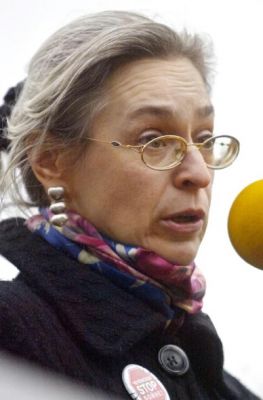
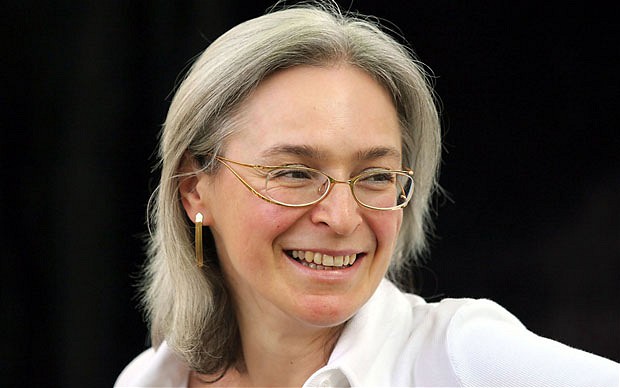
Anna Politkovskaja

Ucciso un altro giornalista a Mosca

Ucciso con parecchie coltellate nel suo appartamento di Mosca. È finita così l’avventura su questo mondo di un giovanissimo giornalista televisivo russo, Dmitrij Okkert. Aveva 26 anni e di lui si erano perse le tracce da tre giorni. Ieri l’insistenza di una coppia di amici ha permesso la scoperta del corpo senza vita. Okkert aveva lavorato per i canali tv Rossija, Ren-Tv e NTV. Dal dicembre 2008 si occupava di economia per il canale Expert Tv. In Russia le prime reazioni a questo ennesimo omicidio sono ovviamente all’insegna della massima prudenza. La frase che viene più spesso usata è che non si è certi della connessione tra la morte violenta e l’attività giornalistica. Ma dicono sempre così. Dmitrij comunque aveva fatto entrare l’assassino (o gli assassini) in casa. Nessun segno di lotta o rapina. Dall’appartamento sarebbe scomparso solo il computer portatile. Qualche settimana fa, parlando in un incontro pubblico sulla libertà di stampa, avevo detto che il fatto che  – dopo il terribile uno-due dello scorso anno con gli omidici Baburova e Estemirova – non ci fossero stati più assassinii di giornalisti nella Federazione Russa, poteva segnalare una timida inversione di tendenza. Speriamo che sia davvero così, malgrado l’omicidio di un collega che si era appena affacciato alla professione. Sono moltissimi i giornalisti uccisi in Russia dalla fine dell’Urss: 300 secondo l’Unione russa dei giornalisti. Nel mio libro “Anna è viva” ho pubblicato un elenco di coloro per i quali ho trovato qualche riscontro. L’elenco lo trovate a questo link:

 http://annaviva.com/node/1452

Per la libertà di stampa la Russia si colloca (nella classifica dell’americana Freedom House) al 175 posto su 196 paesi. Il Comitato per la protezione dei giornalisti pone la Russia all’ottavo posto nel mondo per l’impunità nella risoluzione degli omicidi di colleghi. Come dimostra il plateale caso di Anna Politkovskaja, le autorità russe non sembrano avere troppo a cuore né la sicurezza dei giornalisti, né la punizione dei loro killer.

Our school, “Walter Tobagi”

Assemblea , via Skype, tra gli studenti delle scuole di giornalismo di Mosca e Milano. Alla Casa dei giornalisti della capitale russa si sono trovati (insieme ai colleghi della Novaja Gazeta) gli studenti della MGU, la principale università di giornalismo della capitale russa, la stessa dove ha studiato Anna Politkovskaja. E proprio dalla figura della giornalista russa assassinata il 7 ottobre del 2006 da sconosciuti, è partita la discussione sulla libertà di stampa in Europa.

Da Milano ci siamo connessi dalla scuola di giornalismo “Walter Tobagi”, dell’Università Statale di Milano. E proprio dal collega assassinato trent’anni fa è partito il discorso dei praticanti italiani. Ecco quel che hanno scritto e mandato a Mosca come contributo, tre degli studenti milanesi: Carlotta Mariani, Micol Sarfatti e Massimo Tagariello.

Ad maiora.

Ps. Sono gli stessi giovani giornalisti (a Milano e ovunque in Italia) cui le redazioni (stimolate dalla FNSI) in questi giorni sbattono le porte in faccia e boicottano gli stage. Salvo poi, quando escono le statistiche ISTAT sui cosiddetti bamboccioni, sollevare il solito finto pianto greco sui giovani che non hanno opportunità. Alla faccia della coerenza.

………………………………………………………………………………

Our school’s name is Walter Tobagi.
Walter Tobagi was an italian journalist killed on 28th of May 1980, exactly 30 years ago. He was involved in articles about terrorism and violent groups that were trying to take control of the Italian Government and was shot because of that.
Walter Tobagi was not the only one. Giovanni Spampinato, Giuseppe Fava, Carlo Siani are just some names of italian journalists killed by mafia all around the country. And the list could be much longer.
Roberto Saviano, the writer who denounced the dark affairs of the Camorra in his book “Gomorrah”, has been living under escort for 4 years now. He is often accused by politicians of using mafia issues for purposes of fame and success.
According to the latest survey from Reporters Sans Frontieres, Italy has plummes from the 35th rank in 2007 to the 49th last year. Our country is labelled as “partly-free”, the only case in Western Europe.

Nowadays there’s a harsch debate about a decree intending to rule out the publishing of telephone leaks until judicial investigations are done. Many media editors, even the ones siding the Government, are opposing this prospective law, claiming that without this kind of information many of the recent political and economic scandals would not have been uncovered.

Last but not least, most journalists are not free to write whatever they want out of unsustainable pressures by the media ownership. Almost all of the owners of newspapers, radios and tv’s have their core business in some other industries, which forbids reporting bad news about them.

We end up asking ourselves the big question: is there freedom of press in our country? We wouldn’t go straightforward with a “yes” or “no”. But we will keep asking it again and again.

What we know about Anna Politkovskaja?

International League of Young Journalists

with the support of the Russian Union of Journalists
presents a discussion of young professionals
«What we know about Anna Politkovskaya?»
May 28, 12.00, Moscow, Central House of Journalists
The program includes: Skype-bridge with journalism students from the University of Milan and journalist Andrea Riscassi, barcamp-discussion

That’s already 4 years have passed since the murder but for some reason we, the Russian young people, present and future journalists continue to remain silent and not take a particularly active actions in Russia in defense of our colleagues and in defense of their memory after all these numerous murders of journalists. Russian society is silent, the journalistic community, too.

At the same time in Italy, a TV-journalist Andrea Riscassi (Milan correspondent of RAI, one of the founders of the Association named after Anna Politkovskaya “Annaviva”) has ensured that in Milan’s garden of judges was planted a personal tree of the Russian journalist – along with the trees in honor of two Sicilian magistrates (crime wrestlers), Paolo Borsellino and Giovanni Falcone, killed by mafia in the early 90’s.

Anna is more known throughout Europe for its reporting (and was known during her lifetime) than in Russia. Although she wrote for the Russian edition. What is the reason of our indifference, ignorance to the memory of the journalist and the fact that an ordinary Russian can not even remember who exactly was Anna Politkovskaya? At the same time, in Europe about her publications, her fate know just ordinary people, hotel owners and so on. Anna’s death shocked the world. Of course, unfortunately, we all know that this death is not the first assassination of a journalist in Russia, but this case – one of the most egregious in the recent history of our country and the history of Russian journalism.

International League of young journalists offers to bring this issue to public debate. It will be held in Moscow, but the discussion is open to young journalists from other countries. The discussion will be in a form of barcamp, conference, where everyone can participate with its own opinion – no matter what it is – in a form of short messages (5 minutes).

Journalists from the regions may participate in online mode, sending their messages through the Internet (the group on Facebook and in V Kontakte). About the intention to participate, please, write to journaliga@gmail.com. To come prepared to discuss, we ask you (optionally) write a short essay, in which to reflect on the theme “What I know about Anna? Why do I want / do not want to be such a journalist as Anna Politkovskaya”. We welcome the diversity of points of view: for us it is important to understand the true attitude of the young journalists to the problem and to the situation in general. Essays should be sent to e-mail journaliga@gmail.com until 18.00 27 May 2010. We are interested in essays from all over the world (the languages possible – English, Italian and Russian).
Excerpts of your essays will be translated and published on the website of Italian association “Annaviva”, dedicated to Anna Politkovskaya and journalism in the countries of Eastern Europe. Debate is an initiative of young journalists, as guests of the discussion will be attended the young colleagues from “Novaya Gazeta”, a video conference on Skype with Andrea Riscassi, students of communication sciences of Milan University and other foreign counterparts will be provided with Skype and Facebook. Read more – show your solidarity, participate in the meeting!

Международная Лига молодых журналистов
при поддержке Союза журналистов России
представляет дискуссию молодых профессионалов
«Что мы знаем об Анне Политковской?»
28 мая, 12.00, Москва, Центральный дом журналиста
В программе: Skype-мост со студентами факультета журналистики Миланского университета и журналистом Андреа Рискасси, barcamp-обсуждение
Вот уже 4 года прошло после убийства, а мы, российские молодые люди, настоящие и будущие журналисты, почему-то продолжаем отмалчиваться и не предпринимать особо активных действий (хотя бы даже акций) в России в защиту своих коллег и в защиту их памяти среди людей после громких убийств журналистов. Российское общество молчит, журналистское сообщество тоже.

Зато в Италии журналист-телевизионщик Андреа Рискасси (корреспондент Миланского RAI, один из основателей ассоциации имени Анны Политковской “Annaviva”) добился того, что в Милане в саду судей было посажено именное дерево русской журналистки – наряду с деревьями в честь двух сицилийских магистратов (борцов с преступностью) Паоло Борселлино и Джованни Фальконе, убитых мафией в начале 90-х годов.

Анна известна на всю Европу своими репортажами (и была известна еще при жизни) больше, чем у нас. Хотя писала она для русского издания. В чем причина нашего равнодушия, невнимания к памяти этой журналистки и того, что обычный российский обыватель может даже и не вспомнить, кто такая была Анна Политковская? В то же время, например на Западе о ней, ее публикациях, ее судьбе рассуждают простые люди, владельцы отелей и так далее. Смерть Анны потрясла мир. Конечно, к глубокому сожалению, всем известно, что эта смерть – не первое убийство журналиста в России, но этот случай – один из самых вопиющих за последнее время в истории страны и истории нашей журналистики.

Международная лига молодых журналистов предлагает вынести этот вопрос на публичное обсуждение. Оно будет проходить в Москве, однако в дискуссии могут принять участие молодые журналисты из других стран мира. Обсуждение будет проходить в форме barcamp, конференции, где каждый пришедший выступает от своего имени и озвучивает собственное мнение – неважно, какое оно – в виде короткого сообщения (5 минут).
Журналисты из регионов могут участвовать в онлайн-режиме, отправляя свои сообщения через интернет (группы на Facebook и в Контакте). О желании участвовать сообщите заранее на адрес journaliga@gmail.com. Чтобы прийти на обсуждение подготовленными, мы просим вас (по желанию) написать небольшое эссе, в котором поразмышлять на тему «Что я знаю об Анне? Почему я хочу/не хочу быть таким журналистом, как Анна Политковская». Мы приветствуем многообразие точек зрения: для нас важно понять истинное отношение молодых к этой проблеме и к сложившейся ситуации. Эссе присылать на адрес journaliga@gmail.com до 18.00 27 мая 2010 года.
Отрывки ваших эссе будут переведены и опубликованы на сайте итальянского фонда “Annaviva”, посвященного Анне Политковской и журналистике в странах Восточной Европы. Дискуссия является инициативой молодых журналистов, в качестве гостей на обсуждении будут присутствовать молодые коллеги из «Новой газеты», а через видеоконференцию в Skype будет организована «встреча» с Андреа Рискасси и другими зарубежными коллегами. Узнайте больше – приходите на встречу!

http://www.facebook.com/?ref=home#!/event.php?eid=118193284882889&ref=mf
In Russia morire per scrivere

L’articolo che parla (anche) del mio intervento a Perugia a cura degli studenti della scuola di giornalismo Suor Orsola Benincasa.

Non sono del Tg1 e la Yusupova non è una giornalista della Novaja, ma per il resto tutto ok.

ad maiora

http://www.unisob.na.it/inchiostro/?idrt=3687

Libertà, di stampa

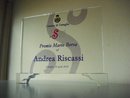
Le motivazioni con cui ieri il Comune di Somaglia mi ha assegnato il premio giornalistico dedicato a Mario Borsa mi hanno lasciato piacevolmente stupito.

L’amministrazione locale ha individuato in me un giornalista che come il grande direttore del Corriere (quindi in sedicesimi, anzi in sessantaquattresimi, e sto già esagerando) ha le radici ben solide nel territorio e le fronde molto alte, in grado di toccare la politica estera. Un paragone che mi onora anche se è ovviamente segno dei tempi che il premio sia finito a uno come me. In fondo, oltre a tenere la schiena dritta in tutti questi difficili anni, non ho fatto altro di particolare.

L’attività per onorare la memoria di Anna Politkovskaja (che mi hanno portato, solo per citare l’ultimo, recente esempio, a parlare al bellissimo Festival Internazionale del Giornalismo di Perugia) sono iniziate un po’ per caso. E se godo di un’immagine positiva il merito è solo della grande giornalista russa. Io sono solo come una sorta di “discepolo” che cerca di far sì che il suo modo di lavorare non sia dimenticato.

Cercherò di far lo stesso, nel mio piccolo, con Mario Borsa, grandissimo giornalista italiano non abbastanza conosciuto, nemmeno dai colleghi.

Sulla libertà di stampa, negli anni Venti, scriveva parole la cui eco risuona forte in questi giorni nei quali il Parlamento si appresta a mettere il bavaglio alla libertà di stampa. Scriveva Borsa nel libro (messo all’indice dal fascismo) “La Libertà di stampa”: «La libertà di stampa è tutto: è inutile parlare di libertà di coscienza, di libertà di riunione, di guarentigie costituzionali, di istituzioni parlamentari, di indipendenza della magistratura, di purezza dell’amministrazione pubblica, se non si mette a base di tutto ciò la libertà di stampa, cioè la libertà di pensare, di scrivere, di controllare, di criticare, di correggere, di consigliare e, occorrendo, di denunciare. Se il pubblico italiano non fosse politicamente quello che è, lo dovremmo vedere nelle piazze a protestare, insieme con i giornalisti e più dei giornalisti, contro questi attentati alla libertà di stampa».

Parole drammaticamente moderne.

Buon 25 aprile a tutti.